DID YOU KNOW – Hydrogen Internal Combustion Engine
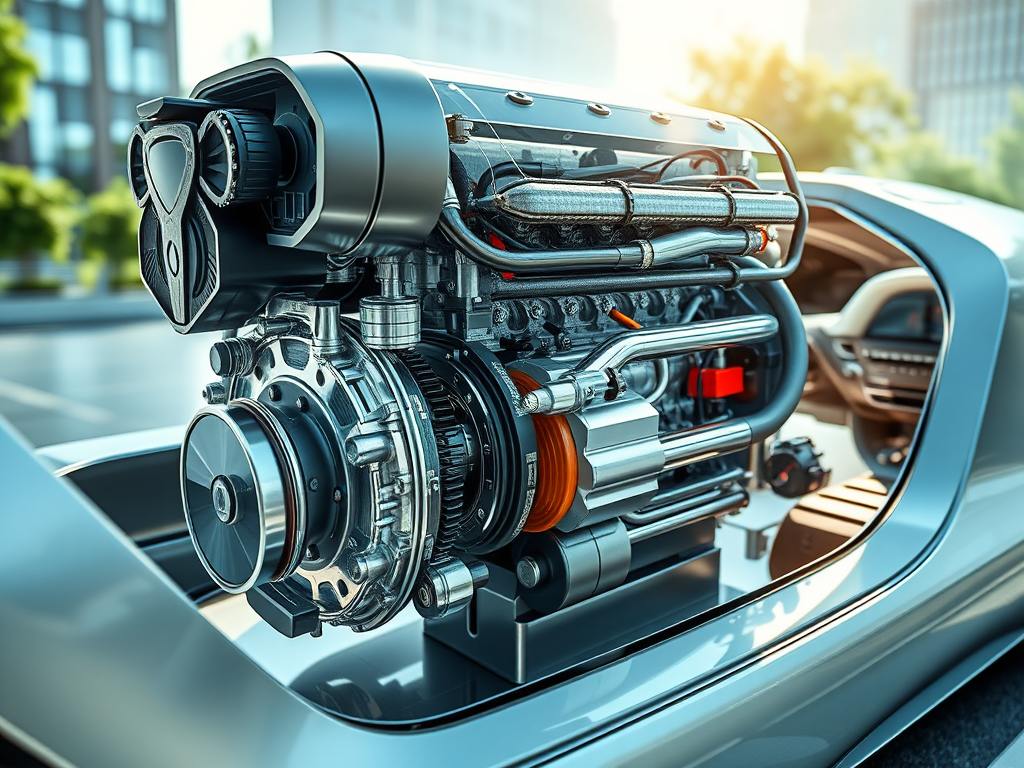
- Hydrogen-powered engines
There are two technologies being worked upon towards a Greener Future Promise:
- Hydrogen fuel cell electric vehicles (FCEVs) and
- Hydrogen internal combustion engines (HICE).
FCEVs generate electricity from hydrogen in a device known as a fuel cell that is used to power the electric motor, whereas HICE burn hydrogen in an internal combustion engine.
Most of these OEMs are modifying their existing conventional spark-ignition engines to develop HICEs.
This is because a four-stroke HICE operates on the same cycle as a regular natural gas engine and shares most of the components. HICE, however, requires minimum changes to the fuel injection and ignition systems, along with different controls, to handle high pressure hydrogen fuel and the corresponding light changes to the cylinder head.
A fuel cell uses the chemical energy of hydrogen or other fuels to cleanly and efficiently produce electricity. If hydrogen is the fuel, the only products are electricity, water, and heat. Fuel cells are unique in terms of the variety of their potential applications; they can use a wide range of fuels and feedstocks and can provide power for systems as large as a utility power station and as small as a laptop computer.
Fuel cells have several benefits over conventional combustion-based technologies currently used in vehicles. Fuel cells can operate at higher efficiencies than combustion engines and can convert the chemical energy in the fuel directly to electrical energy with efficiencies capable of exceeding 60%. Fuel cells have lower or zero emissions compared to combustion engines. Hydrogen fuel cells emit only water, addressing critical climate challenges as there are no carbon dioxide emissions. There also are no air pollutants that create smog and cause health problems at the point of operation. Fuel cells are quiet during operation as they have few moving parts.
How Fuel Cells Work
Fuel cells work like batteries, but they do not run down or need recharging. They produce electricity and heat as long as fuel is supplied.
A fuel cell consists of two electrodes – A negative electrode (or anode) and A positive electrode (or cathode), sandwiched around an electrolyte.
A fuel, such as Hydrogen, is fed to the anode, and air is fed to the cathode. In a hydrogen fuel cell, a catalyst at the anode separates hydrogen molecules into protons and electrons, which take different paths to the cathode. The electrons go through an external circuit, creating a flow of electricity. The protons migrate through the electrolyte to the cathode, where they unite with oxygen and the electrons to produce water and heat.
A promising future
- HICE will require minimum incremental changes to the conventional powertrain and vehicle architecture, which makes it a logical option, especially for cost-conscious markets such as India, Southeast Asia, Africa, etc. It can also potentially open up new opportunities such as retrofitting of the current on-road ICE commercial vehicle fleet, long distance intercity buses, etc. The Indian commercial vehicle OEM fraternity has already started moving in this direction. Major automakers displayed HICE technology at the Auto Expo 2023.
- Overall, HICE offers an immediately viable powertrain option for decarbonization in the medium- and heavy-duty vehicle application in India.
- It can be a bridging technology to remain cost-competitive till the fuel cell technology is commercialized while propelling the development of the hydrogen infrastructure.
Concept Cars in FCEV & HICE
- FCEV
- Toyota Mirai Concept car
Range of 640 KM with 187 Bhp and 300Nm Torque
Euro NCAp – 5 Star.
- MG Euniq 7
Range 600 Km with 123 Bhp.
Safety Not Tested.
- Hyundai Vision NEXO
Range 600 KM with 163 Bhp and 400 Nm Torque
Safety Not Tested.
What’s Good for Consumers – Passenger Vehicles.
- An EV Charging may range to 4-6 Hrs, but the Hydrogen Refueling may take 5-6 Minutes for full charge.
- A Green Option for Future, though scale of economy is yet to be witnessed.
- Cars with Hydrogen ICE
- BMW Hydrogen 7
- MINI Cooper CleanEnergy
- Mahindra HyAlfa – 3 Wheeler
- Mazda Hydrogen RE Plugin
- Aston Martin Rapid S
- Toyota Corolla Sports and Yaris GR
The ICE powered with Hydrogen is more advocated for Commercial Vehicles, pertaining to its Longer time required for Refueling.
Commercial Vehicles have a specific route, and specific running time, which complements the Refueling time taken.
Moreover the Sports Cars or Racing Cars have smaller travel distance in a specific time, and Hydrogen Fuel gives the Torque Enthusiast the pump immediately like Gas.
 Envisage
Leave a comment